
Gurugram Real Estate History: From Farmland to India’s Millennium City
Gurugram, formerly known as Gurgaon, is today one of India’s most important real estate markets. Located just southwest of Delhi, this city has transformed from a quiet agricultural region into a global business hub filled with skyscrapers, luxury residences, and corporate headquarters.
The growth of Gurugram’s real estate sector did not happen overnight. It is the result of decades of planning, private developer investments, infrastructure development, and the arrival of multinational companies. Today, Gurugram is considered the luxury real estate capital of NCR, with property prices rising rapidly due to strong demand and expanding infrastructure.
Let’s explore the complete history of Gurugram real estate development, from the early days to the modern luxury property market.
1. Ancient and Pre-Modern Era (Before 1970)
Historically, Gurugram was a small agricultural town in Haryana. The region was primarily composed of villages, farmland, and small local markets.
The name Gurugram is believed to originate from the ancient Sanskrit words “Guru” and “Gram”, meaning “village of the teacher.” According to mythology, this area was associated with Guru Dronacharya, the teacher of the Pandavas and Kauravas in the Mahabharata.
For centuries, the area remained rural and underdeveloped. Real estate development was almost non-existent, and land was mainly used for farming.
Key characteristics of Gurugram before 1970:
- Agricultural economy
- Small villages and farms
- Minimal infrastructure
- No urban housing demand
- Low land prices
At that time, no one imagined Gurugram would become one of India’s most expensive real estate markets.
2. The Beginning of Modern Development (1970–1985)
The real transformation began in the 1970s and early 1980s.
During this time, Delhi was rapidly expanding, and land availability inside the capital was shrinking. Real estate developers began exploring nearby regions such as Gurgaon.
One of the most important companies involved in this transformation was DLF (Delhi Land & Finance), which had already developed several residential colonies in Delhi during the 1950s.
However, after the Delhi Development Act of 1957, private developers faced restrictions in Delhi. As a result, companies like DLF started purchasing land outside Delhi — particularly in Gurgaon.
Major Milestone
1981 – First Development License
DLF received its first license to develop approximately 40 acres of land in Gurgaon, which marked the beginning of private real estate development in the city.
This event planted the seed for what would later become the modern city of Gurugram.
3. Birth of DLF City and Urban Planning (1985–1995)
In 1985, one of the most important projects in Gurugram’s history began:
DLF City
DLF started developing a massive integrated township known as DLF City, spread across more than 3,000 acres.
The township introduced a completely new concept in India — private city development.
The project included:
- Residential colonies
- Commercial complexes
- Schools
- Hospitals
- Shopping centers
- Golf courses
DLF City was divided into five phases (DLF Phase 1–5), which later became some of the most premium residential areas in the city.
At that time, property prices were extremely low compared to today, and most land consisted of fields and empty plots.
But the foundation of Gurugram’s real estate boom had been laid.
4. Corporate Entry and Industrial Growth (1995–2005)
The next major turning point came in the late 1990s and early 2000s, when multinational companies began entering India.
Gurugram’s proximity to Delhi and the international airport made it a perfect location for corporate offices.
IT and BPO Revolution
Many global companies established offices in Gurgaon, including major technology and outsourcing firms.
The demand for office spaces, residential apartments, and commercial complexes increased rapidly.
Cyber City Development
One of the most iconic developments was DLF Cyber City, which opened in 2003 and became one of the largest IT and corporate hubs in India.
Cyber City attracted numerous Fortune 500 companies and global corporations.
This development changed Gurgaon’s identity and turned it into a corporate powerhouse.
5. The Millennium City Boom (2005–2015)
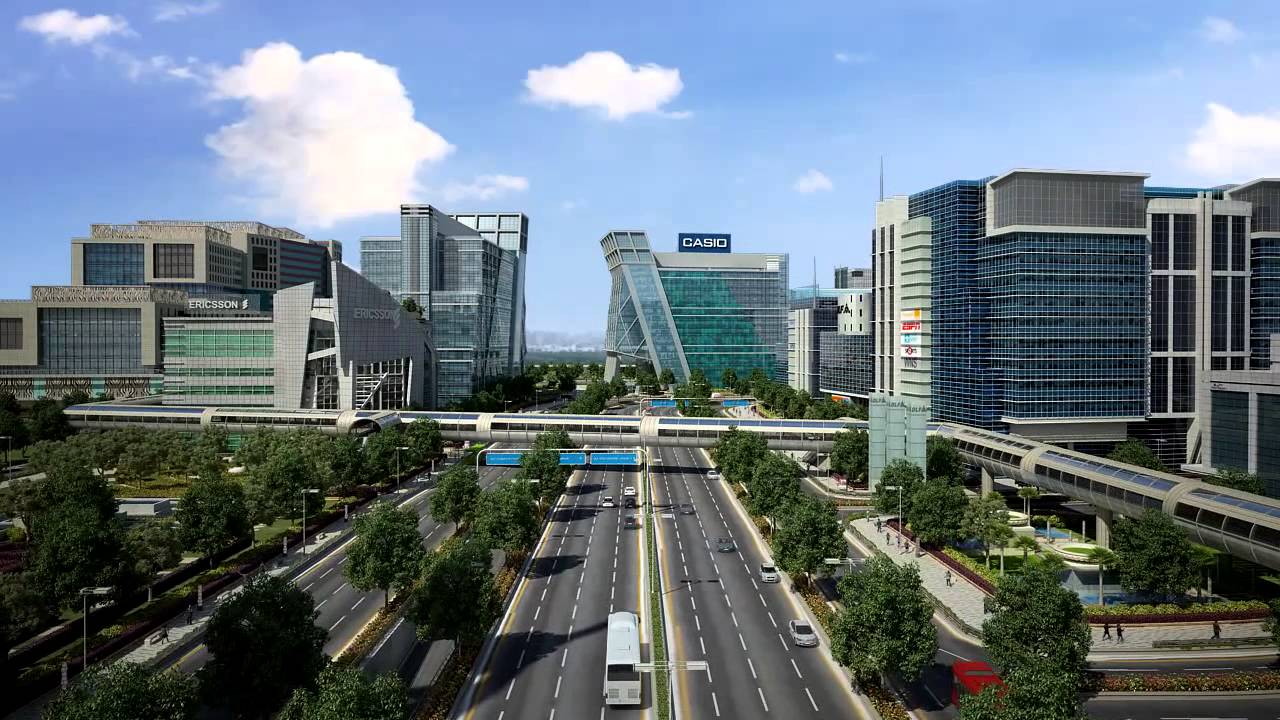
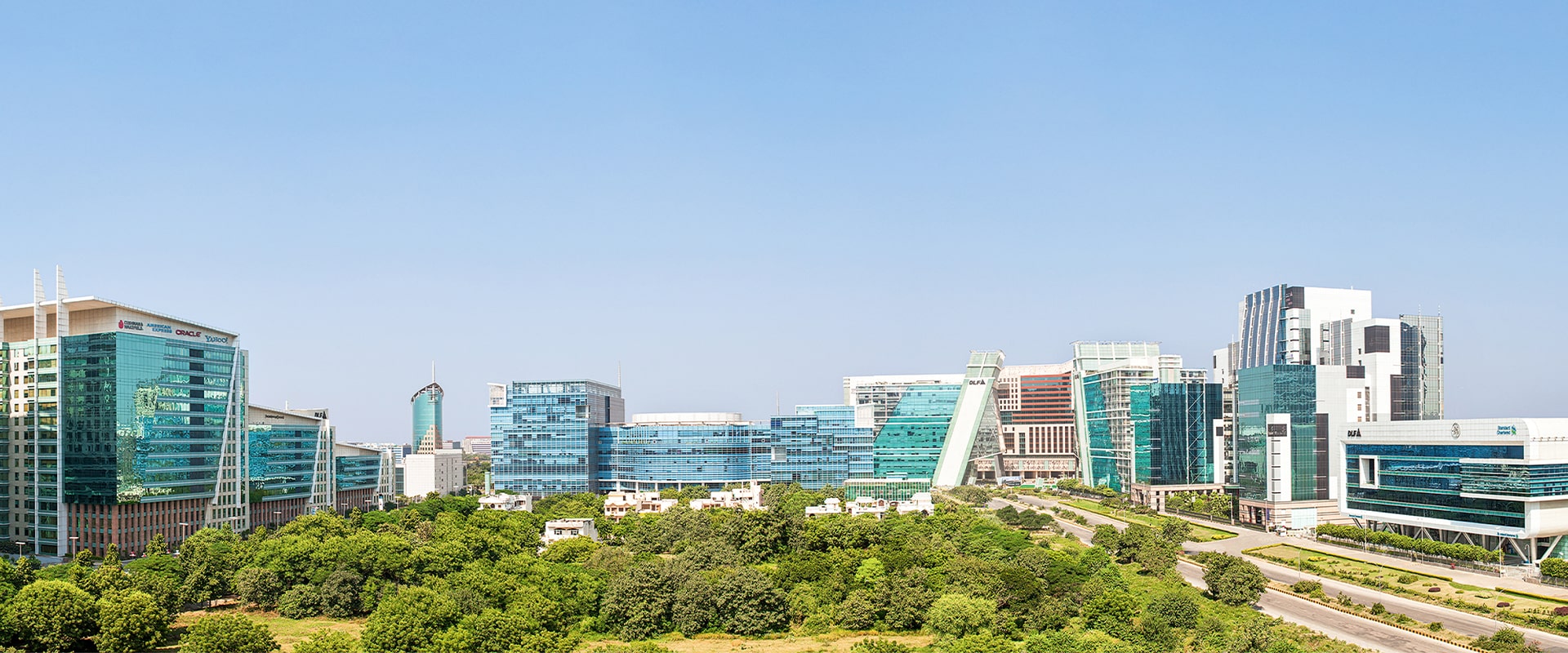
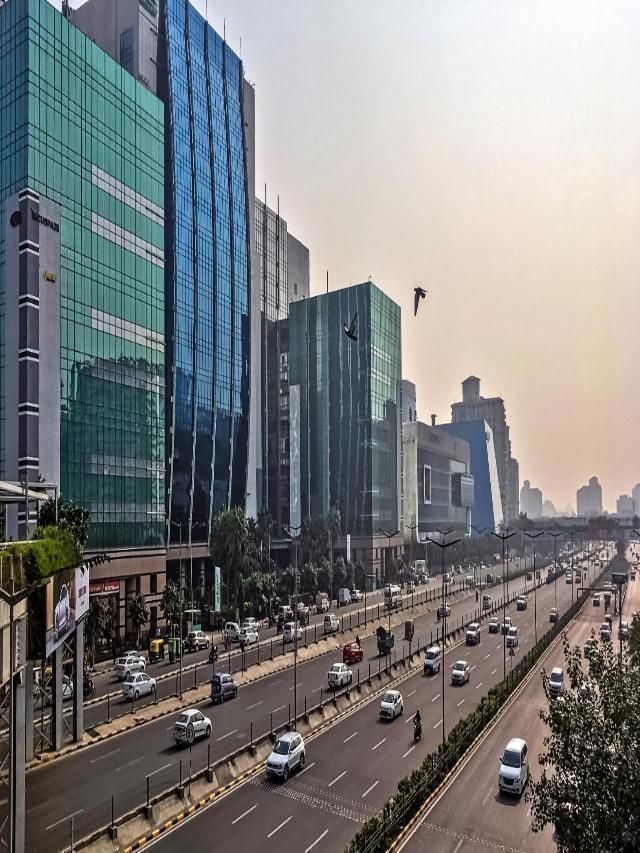
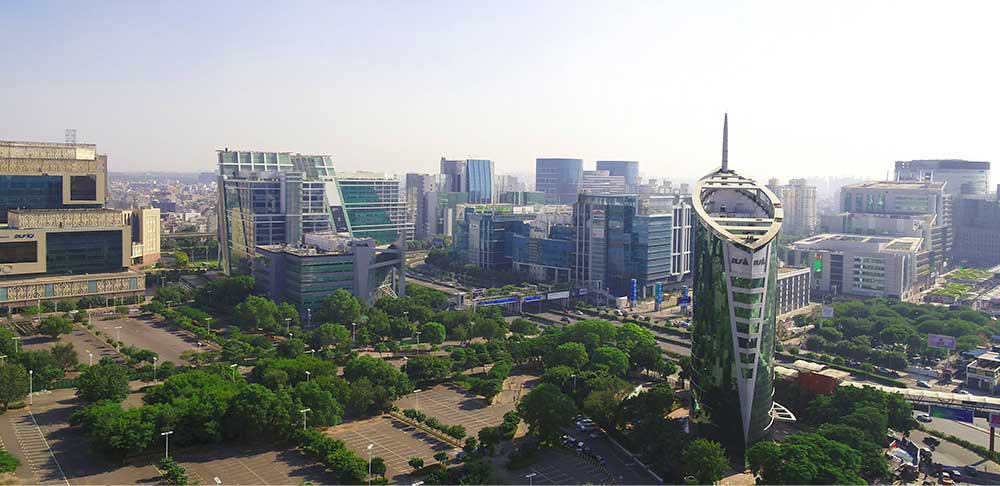
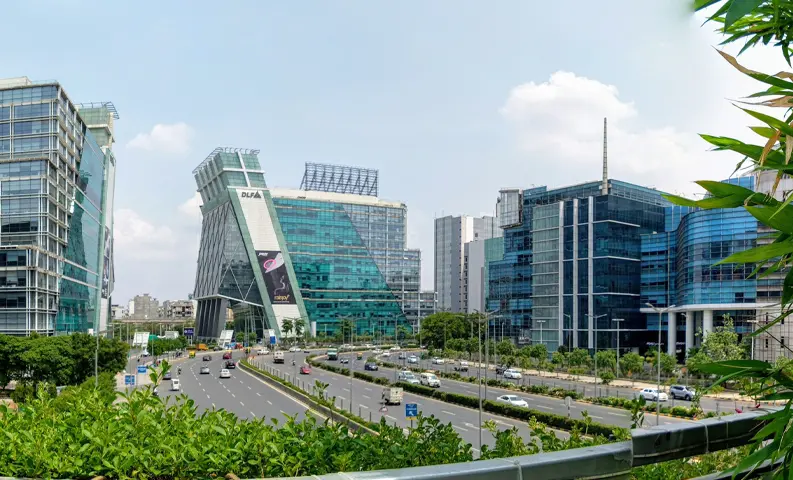
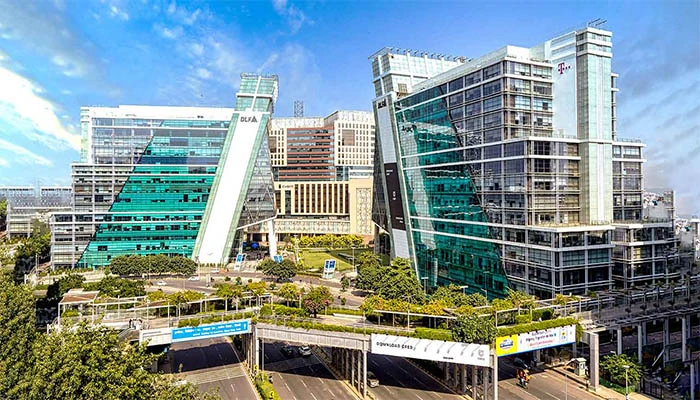
By the mid-2000s, Gurugram was experiencing one of the fastest urban expansions in India.
This decade saw the rise of:
- Luxury residential projects
- Corporate towers
- Shopping malls
- Premium gated communities
The city earned the nickname “Millennium City.”
Major Developments During This Period
2005–2010
- Expansion of Golf Course Road
- Launch of luxury projects
- Growth of MG Road commercial hub
2010–2015
- Development of Rapid Metro
- Expansion of corporate parks
- Increase in NRI investment
Major developers entering the market included:
- DLF
- Unitech
- M3M
- IREO
- Tata Housing
- Godrej Properties
During this time, Gurugram became India’s most prominent privately developed city.
6. Infrastructure Expansion and Smart City Growth (2015–2020)
After 2015, the real estate market began shifting toward large infrastructure-driven growth.
Key infrastructure projects included:
- Dwarka Expressway
- Southern Peripheral Road (SPR)
- Golf Course Extension Road
- Metro connectivity
- NH-48 expansion
These infrastructure upgrades significantly increased property values and expanded the real estate market to New Gurgaon and Sohna Road.
The government also introduced reforms like:
- RERA (Real Estate Regulation Act)
- Affordable Housing Policy
These reforms improved transparency and boosted buyer confidence.
7. Luxury Real Estate Era (2020–Present)
The period after 2020 has been marked by a major shift toward luxury and ultra-luxury real estate in Gurugram.
Demand for high-end homes increased dramatically due to:
- Corporate expansion
- Startup wealth
- NRI investment
- Hybrid work lifestyle
According to market reports, Gurugram property prices increased by around 84% between 2020 and 2025, making it one of the fastest-growing real estate markets in NCR.
Emerging Real Estate Corridors
Major investment zones today include:
- Dwarka Expressway
- Golf Course Extension Road
- New Gurgaon (Sectors 80–95)
- Sohna Road
- Southern Peripheral Road
These locations are attracting both residential buyers and commercial investors.
8. Future of Gurugram Real Estate
The next phase of Gurugram’s real estate growth is expected to be driven by large-scale infrastructure projects and smart city developments.
Major upcoming projects include:
- Global City Gurugram (1000 acres)
- New metro corridors
- Expansion of Dwarka Expressway
- Smart infrastructure and green development
These projects will further transform Gurugram into one of Asia’s leading business and residential hubs.
Conclusion
The real estate history of Gurugram is one of the most remarkable urban transformations in India.
In just four decades, the city has evolved from agricultural land into a global corporate hub with luxury residences, high-rise offices, and world-class infrastructure.
Key factors behind Gurugram’s success include:
- Private developer leadership
- Strategic location near Delhi
- Corporate and IT expansion
- Infrastructure development
- Strong investor demand
Today, Gurugram stands as a symbol of modern India’s urban growth and continues to offer immense opportunities for homebuyers, investors, and businesses.


Join The Discussion